
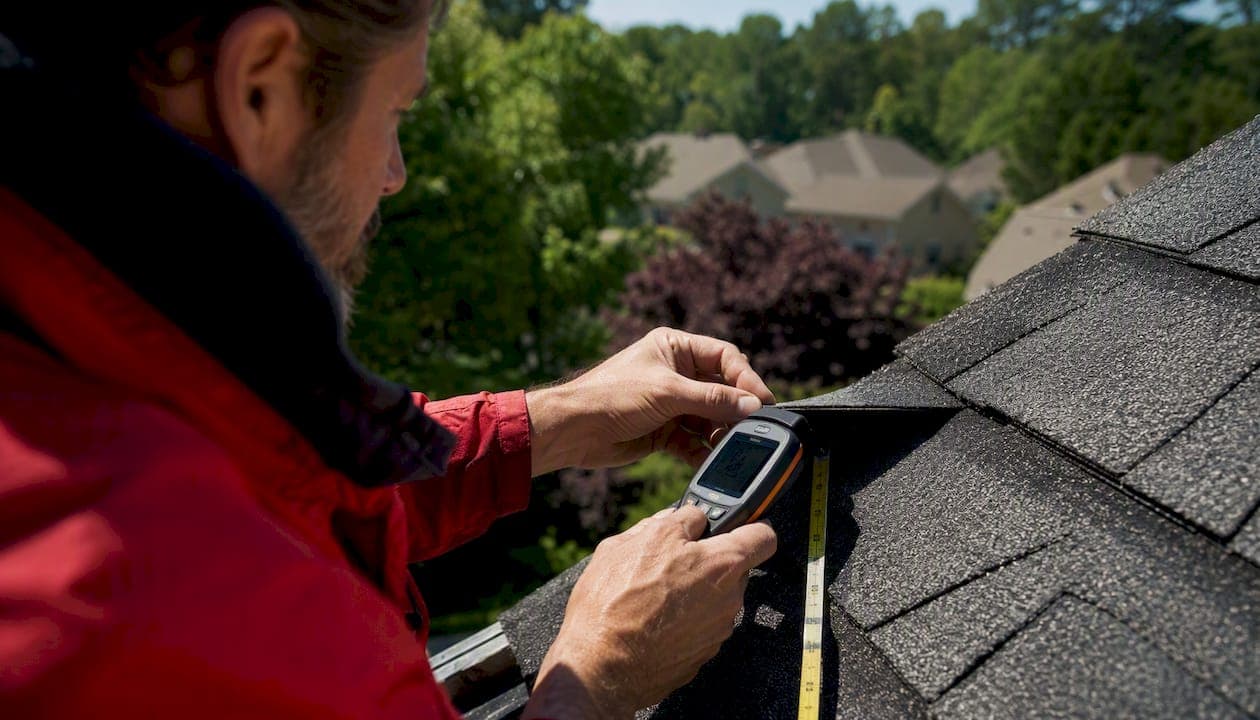
An insurance appraisal clause is a binding, non-judicial valuation process built into most standard homeowners policies. It resolves disputes about the dollar amount of a covered loss, not whether the loss is covered at all. That distinction matters: appraisal can force an independent valuation of your storm or hail damage, but it cannot compel your insurer to pay a claim it has denied on coverage grounds.
Three things to know immediately:
- It decides value, not coverage. Appraisal settles how much a covered loss is worth, not whether your policy covers the cause of damage.
- Two of three is binding. A panel of three parties — your appraiser, the insurer's appraiser, and a neutral umpire — issues the award. Any two agreeing makes it binding on both sides.
- Coverage denials are out of scope. If your carrier says hail didn't cause the damage, appraisal won't fix that. You need a separate legal or regulatory remedy.
Table of Contents
- What does the insurance appraisal clause actually cover?
- How does the appraisal process work, step by step?
- When does appraisal actually help with storm or hail damage?
- How to start appraisal: checklist and a demand template
- How to pick an appraiser and an umpire
- What happens after the appraisal award?
- State law differences and what Georgia homeowners should know
- Key Takeaways
- A roofer's perspective on appraisal in real claims
- The Original Roof Repair Company helps Georgia homeowners document and fight underpaid claims
- Useful sources
- FAQ
What does the insurance appraisal clause actually cover?
The appraisal clause handles valuation disputes: repair vs. replacement scope, quantities of damaged materials, line-item pricing, and components the insurer's adjuster omitted — decking, flashing, drip edge, or ice-and-water shield, for example. Those are exactly the gaps that appear most often in Georgia storm and hail claims.
What it does not handle is equally important. Appraisal cannot resolve:
- Coverage denials (insurer says the peril isn't covered)
- Causation disputes framed as coverage exclusions (e.g., "this is wear and tear, not hail")
- Late-filing defenses or policy exclusions
- Preexisting damage arguments the carrier raises as a coverage bar
The most dangerous trap: invoking appraisal before confirming coverage is accepted. If your carrier agrees to the appraisal award and then denies coverage afterward, you hold a binding valuation with no payment attached. Confirm in writing that coverage is accepted before demanding appraisal.
Pro Tip: Ask your insurer to confirm in writing — email is fine — that the claim is accepted as a covered loss before you send a written appraisal demand. That one step prevents the most common post-award surprise.
How does the appraisal process work, step by step?
The appraisal process follows a clear sequence. Most roof and hail claims move through it within a few months, though timing varies by state practice and panel scheduling.
- If they disagree, they select a neutral umpire. The umpire reviews both positions and issues a decision. Any two of the three agreeing — your appraiser and the umpire, or the insurer's appraiser and the umpire — produces a binding award.
| Phase | Typical Duration | Key Action |
|---|---|---|
| Written demand to appraiser selection | 1–3 weeks | Send certified letter; insurer names appraiser |
| Inspections and estimate exchange | 2–4 weeks | Both appraisers inspect and document |
| Umpire selection (if needed) | 1–2 weeks | Parties agree or court appoints |
| Umpire decision and award | 1–3 weeks | Binding award issued |
| Total typical range | 30–90 days | Varies by state and panel availability |
When does appraisal actually help with storm or hail damage?
Appraisal is most effective when your carrier accepts that a storm caused the damage but disputes the repair scope or dollar amount. Storm claims frequently involve multiple perils — wind, hail, and rain intrusion together — which creates scope complexity that adjusters routinely underestimate.
Good fit for appraisal:
- Insurer authorizes a patch; your contractor documents full replacement is required
- Adjuster omits decking, flashing, or gutters from the estimate
- Significant dollar gap between insurer's Xactimate estimate and your contractor's documented scope
Poor fit for appraisal:
- Carrier denies the claim entirely (coverage dispute, not valuation)
- Insurer argues the damage is wear and tear or preexisting (causation framed as exclusion)
- The dispute turns on policy interpretation rather than repair quantities
Before invoking appraisal, try a supplemental claim first. Submit your contractor's detailed estimate, photos, and inspection report. Many valuation gaps close at the supplement stage without the cost and time of a full appraisal panel. Appraisal works best as a final-resort valuation tool — the award is binding and may foreclose further negotiation on the dollar amount.
How to start appraisal: checklist and a demand template
Follow these steps before sending your demand:
- Locate the appraisal clause in your policy's "Conditions" section and note the exact language.
- Confirm in writing that the carrier has accepted coverage for the loss.
- Document the valuation gap: your contractor's estimate vs. the insurer's estimate, line by line.
- Gather all supporting materials: photos, inspection reports, contractor estimates, adjuster worksheets, and prior correspondence. A roof damage report from a qualified contractor strengthens your appraiser's file.
- Identify your appraiser before sending the demand.
- Send the demand by certified mail and retain the signed return receipt.
Pro Tip: Keep every pre-demand email and letter in a single folder. If the insurer later claims it never received proper notice, your certified mail receipt and correspondence log are your defense.
Sample written demand (adapt to your policy language):
[Your Name and Address] [Date] [Insurer Name and Claims Address]
Re: Appraisal Demand — Claim No. [XXXXXX] — Policy No. [XXXXXX]
Dear Claims Department,
Pursuant to the appraisal provision in my homeowners policy (Section [X], "Conditions"), I hereby demand appraisal of the amount of loss for the above-referenced claim. The parties have been unable to agree on the amount of loss for storm/hail damage to my property at [Address].
I have selected [Appraiser Name, Contact Information] as my competent and disinterested appraiser. Please provide the name and contact information for your appraiser within the timeframe specified in the policy.
[Your Signature and Contact Information]
How to pick an appraiser and an umpire
Your appraiser should have hands-on estimating experience with residential roofing and storm damage. Experienced contractors, independent insurance appraisers, and structural engineers all commonly serve in this role. The key requirement under most policies is that the appraiser be "competent and disinterested."
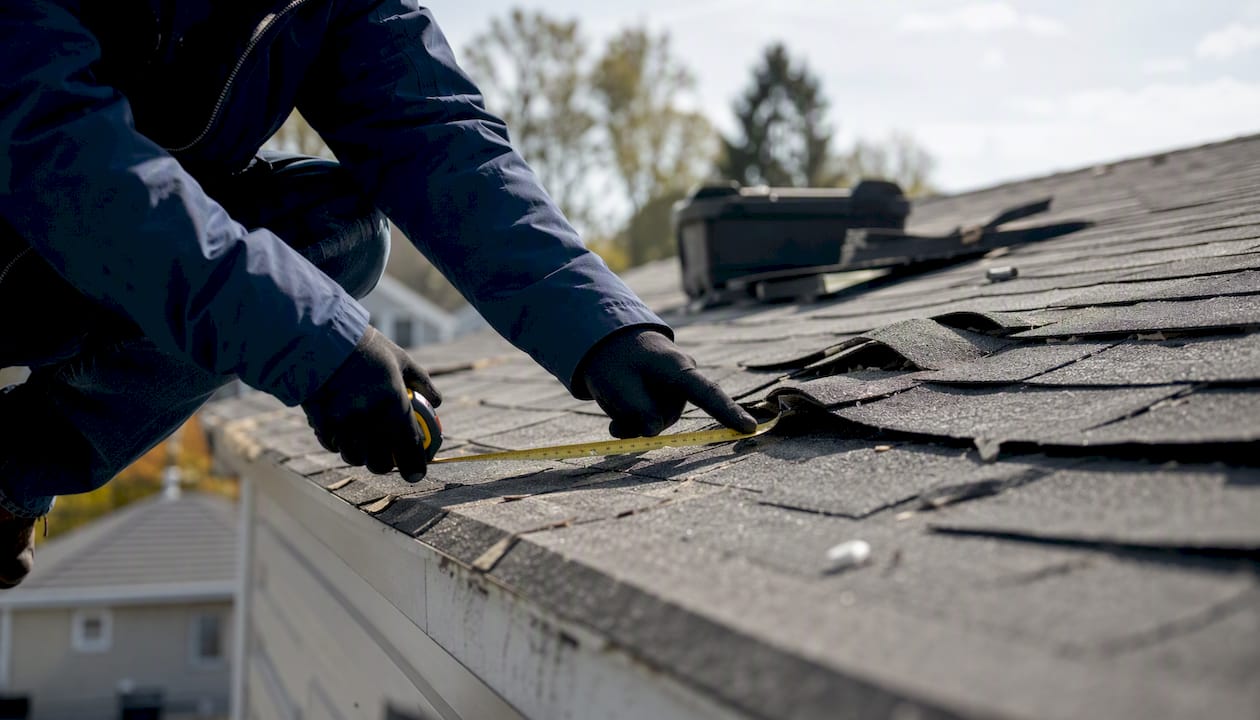
The conflict-of-interest issue is where many homeowners go wrong. A public adjuster working on contingency — meaning their fee is a percentage of your settlement — may be disqualified from serving as a disinterested appraiser under your policy. Verify any appraiser's compensation structure before naming them. Contingency arrangements create a financial stake in the outcome that can undermine the award's validity.
| Role | Who Typically Serves | Red Flags |
|---|---|---|
| Homeowner's appraiser | Roofing contractor, independent appraiser, engineer | Contingency fee, no estimating experience |
| Insurer's appraiser | Staff adjuster, independent adjuster, contractor | Lack of field inspection, low documentation |
| Neutral umpire | Retired adjuster, engineer, experienced contractor | Prior relationship with either party |
Each side pays its own appraiser. The umpire's cost is typically split 50/50. For Georgia roof claims, appraiser fees vary based on scope and complexity; umpire fees can range from a few hundred to over a thousand dollars depending on the claim size and the umpire's qualifications.
What happens after the appraisal award?
The signed award becomes the binding amount of loss. Your deductible still applies, and your policy's coverage limits still cap the payment. The carrier issues a supplemental payment — the difference between what it already paid and the award amount, minus your deductible. You may need to submit a signed contractor invoice or contract to trigger the final payment.
Key steps after the award:
- Confirm the payment calculation in writing (award minus prior payment minus deductible).
- Submit your contractor's signed contract or invoice if the carrier requests it.
- Review the payment for any withheld depreciation (RCV vs. ACV) and understand when you can recover it.
- If the insurer stalls or refuses to pay, courts routinely enforce appraisal awards as binding contract terms. You can file a motion to enforce in state court.
- File a complaint with your state's Department of Insurance if the carrier delays without justification.
- If bad faith is a concern, consult a policyholder attorney — bad-faith statutes in many states allow additional damages beyond the award.
Collect and preserve all documentation: the signed award, all correspondence, payment records, and your contractor's invoice. That file supports any enforcement action.
State law differences and what Georgia homeowners should know
Appraisal law is not uniform across the country. States differ on enforceability, procedural deadlines, and whether courts will appoint an umpire when parties stall on selection. Some state courts have addressed whether appraisal can implicitly decide causation — a live issue in hail claims where the insurer accepts some damage but disputes the extent.
There is no single national deadline for invoking appraisal. The legal standard in many states is "reasonable time." Waiting years after negotiations stall can waive your right to appraisal entirely, so act promptly once the valuation gap is clear.
For Atlanta and Georgia homeowners specifically, Georgia courts generally enforce appraisal clauses as contract terms and will compel participation when a party refuses. Georgia case law continues to develop on the causation-vs.-valuation boundary, so working with a local roofing claim advocate before invoking appraisal is practical advice. The Original Roof Repair Company assists Cherokee County and Atlanta-area homeowners with insurance claim documentation and advocacy before and during the appraisal process.
Pro Tip: Before sending your demand, check whether your policy sets a specific deadline for invoking appraisal after a claim dispute arises. Missing a policy-set deadline can forfeit the right entirely.
Key Takeaways
The insurance appraisal clause is a binding valuation tool — it resolves how much a covered loss is worth, not whether it is covered, and the two-of-three panel rule makes the award final on the dollar amount.
| Point | Details |
|---|---|
| Appraisal scope is narrow | It decides the amount of loss only — coverage denials require separate legal or regulatory action. |
| Two-of-three rule is binding | Any two of the three panel members agreeing produces a final, enforceable award. |
| Typical timeline is 30–90 days | Most roof and hail appraisals resolve within this window, though state practice varies. |
| Confirm coverage before demanding | Get written confirmation that coverage is accepted before invoking appraisal to avoid a binding award with no payment. |
| The Original Roof Repair Company | Provides free inspections, appraisal-quality documentation, and claim advocacy for Atlanta and Cherokee County homeowners. |
A roofer's perspective on appraisal in real claims
The most common mistake Atlanta-area homeowners make is treating appraisal as a first move rather than a last resort on valuation. In most storm seasons across Cherokee County and the broader Atlanta metro, the gap between what an adjuster authorizes and what a thorough contractor documents is real and often significant. But that gap frequently closes at the supplement stage when the documentation is solid: detailed photos, a line-item estimate that matches the actual scope, and a written explanation of why replacement is warranted rather than a patch.
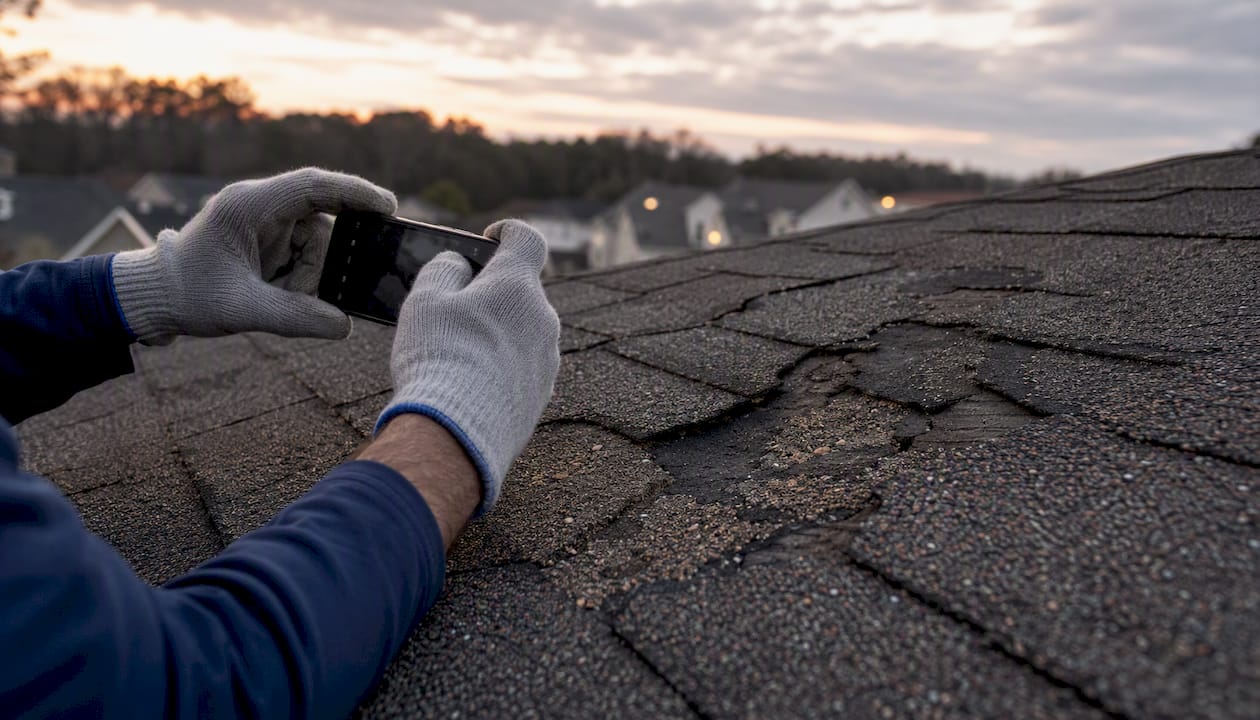
Where appraisal becomes necessary is when the carrier holds firm after a supplement and the valuation gap is substantial. A well-documented appraiser's file — one that includes material quantities, manufacturer specifications, and photo evidence of every damaged component — is what moves an umpire. Vague estimates and general damage descriptions do not. The documentation that wins an appraisal is the same documentation that should have been in the original claim file.
One practical note: the appraiser you choose matters as much as the roofing contractor who prepares and defends the estimate, as well as the process itself. An appraiser who has never written a detailed roofing estimate will struggle to defend a scope against an experienced insurer appraiser. Choose someone who can sit across from the insurer's appraiser and defend every line item with field evidence.
The Original Roof Repair Company helps Georgia homeowners document and fight underpaid claims
When your insurer accepts coverage but the payout falls short of what your roof actually needs, the difference between a fair settlement and an underpaid one often comes down to documentation quality. The Original Roof Repair Company provides free roof inspections and detailed, appraisal-ready estimates for homeowners across the Atlanta metro, Canton, and Cherokee County — the kind of line-item scope documentation that holds up in front of an umpire.

The company's insurance claim advocacy services include storm and hail damage documentation, direct coordination with adjusters, and support through the appraisal process. Whether you need an emergency repair to protect your home while a claim is disputed, or a full replacement estimate to close a valuation gap, The Original Roof Repair Company brings a repair-first approach and honest pricing to every job. Schedule your free inspection and get the documentation your claim needs.
Useful sources
These resources support the guidance in this article and provide next steps for homeowners who need to go further:
- The appraisal clause — what it is and when to enforce it (ProPolicyHolder)
- Understanding the insurance policy appraisal clause (Property Insurance Coverage Law — PDF)
- How to respond to an underpaid storm insurance settlement (Storm Advocate)
- Appraisal clause homeowners insurance: how the process works (HomeClaimGuide)
- Insurance appraisal clause: resolving valuation disputes (LegalClarity)
- Storm damage insurance claim appraisal (Property Umpire)
- How to invoke insurance appraisal (Property Umpire)
- Appraisal mediation docs (Rallybacks/LOTI)
- Roof insurance claim denied? Here is what to do (CapOut)
Save copies of all estimates, photos, inspection reports, and your written demand. That file is your enforcement record if the carrier resists the award.
FAQ
What is an insurance appraisal clause in simple terms?
It is a provision in most homeowners policies that lets both sides resolve a disagreement about the dollar value of a covered loss through an independent panel, without going to court.
Can appraisal force my insurer to pay a denied claim?
No. Appraisal only decides the amount of loss on a claim the insurer has already accepted as covered. A coverage denial requires a separate legal or regulatory remedy.
How long does the insurance appraisal process take?
Most appraisals resolve in 30–90 days, covering appraiser selection, property inspections, estimate exchange, and the umpire's decision if the two appraisers disagree.
What if my insurer refuses to participate in appraisal?
Courts commonly enforce appraisal clauses as contract terms and will appoint an umpire or compel participation if a carrier stalls. You can also file a complaint with your state's Department of Insurance.
Does The Original Roof Repair Company help with appraisal claims in Georgia?
Yes. The Original Roof Repair Company provides free inspections, detailed storm damage documentation, and insurance claim advocacy for homeowners across the Atlanta metro and Cherokee County, supporting the appraisal process from initial estimate through award.