
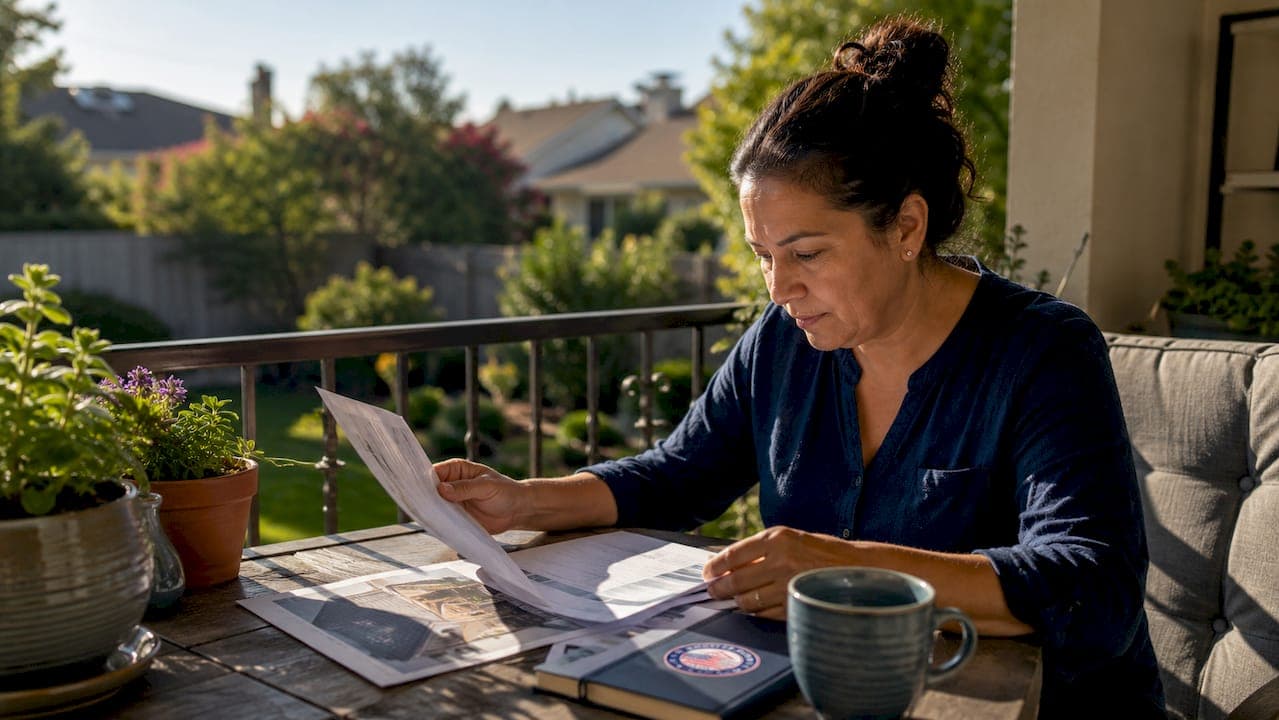
Types of roofing insurance policies define how your claim gets paid after a storm tears through your neighborhood. The three core structures are Replacement Cost Value (RCV), Actual Cash Value (ACV), and Roof Surface Payment Schedule (RPS) endorsements. Each one produces a different payout, a different out-of-pocket cost, and a very different outcome for Atlanta homeowners dealing with hail or wind damage. Knowing which policy you hold before a storm hits is the difference between a covered repair and a five-figure surprise.
1. What is Replacement Cost Value (RCV) coverage?
RCV coverage pays the full cost to repair or replace your roof with similar materials, minus your deductible. RCV covers full repair costs without permanently reducing your payout for depreciation. Instead, the insurer withholds depreciation until you complete the repairs, then releases that withheld amount once you submit proof of work.
This structure benefits homeowners with newer roofs the most. If your roof is five years old and a hailstorm causes $18,000 in damage, RCV means you pay only your deductible. The insurer covers the rest once repairs are done.
- The insurer issues an initial check for the actual cash value of the damage.
- You complete repairs with a licensed contractor.
- You submit the final invoice to recover the withheld depreciation.
- Your net cost is the deductible only, assuming repairs stay within the claim estimate.
Pro Tip: Check your declarations page for "RCV" on the roof line specifically. A policy can carry RCV on the dwelling structure but apply ACV or a payment schedule to the roof alone through an endorsement.
2. How Actual Cash Value (ACV) policies affect your payout
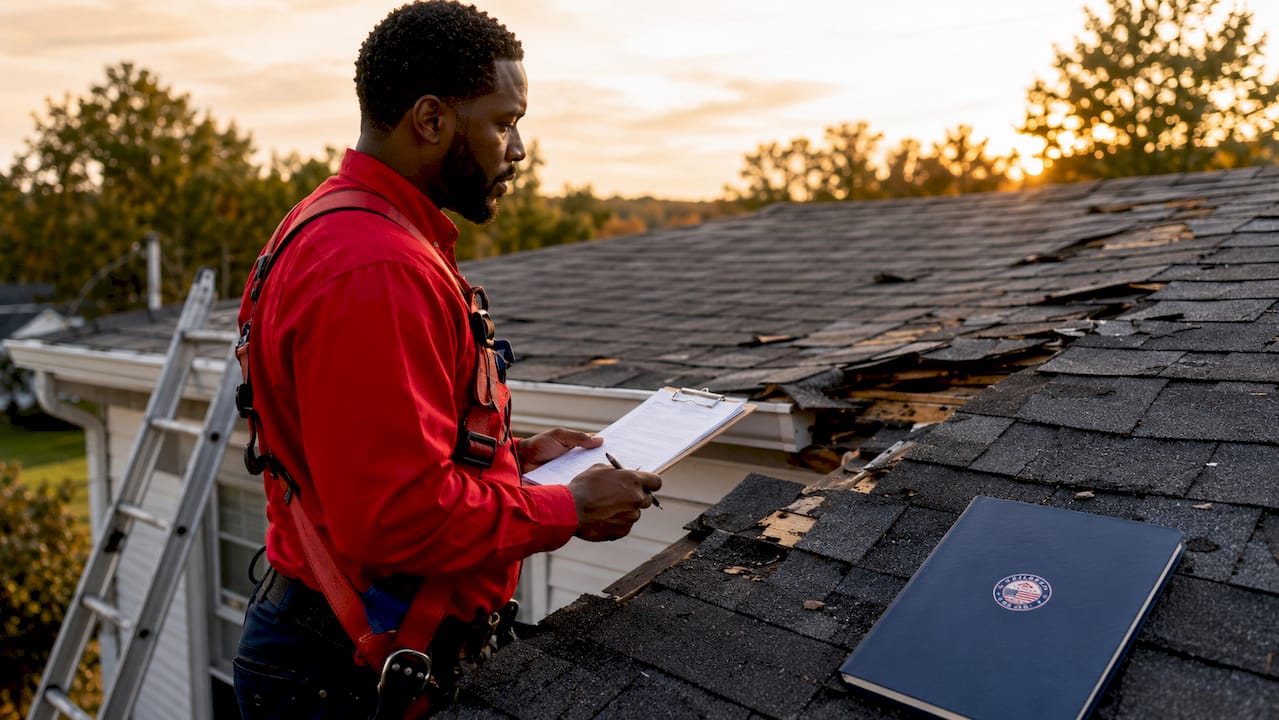
ACV coverage deducts permanent depreciation from your claim before you see a dollar. ACV applies permanent depreciation deductions that you never recover, regardless of how well you maintained your roof. On an older roof, that gap between what the insurer pays and what the repair actually costs can exceed $10,000.
Many carriers shift roof coverage from RCV to ACV once a roof reaches 15–22 years old. That shift often happens quietly at renewal, buried in a policy update letter most homeowners never read.
- Look for the phrase "Actual Cash Value Loss Settlement" in your endorsement list.
- Check whether the ACV designation applies to the whole dwelling or only to the roof surface.
- Ask your agent directly: "Is my roof covered on RCV or ACV right now?"
- If your roof is over 15 years old, assume ACV until your policy confirms otherwise.
Pro Tip: Request a written confirmation from your insurer specifying the settlement method for your roof. Verbal assurances from agents do not bind the insurer at claim time.
3. Roof Surface Payment Schedule endorsements and how they reduce claims
Roof Surface Payment Schedule (RPS) endorsements are the most misunderstood type of homeowner roofing coverage. RPS endorsements impose fixed percentage payouts based on roof age, overriding both RCV and ACV calculations entirely. A 12-year-old roof might receive only 60 cents on the dollar, regardless of its actual condition or current material costs.
These endorsements can reduce coverage by 20% to 40% or more starting as early as 6–10 years of roof age. That means a roof in excellent condition, well-maintained and fully functional, still receives a reduced payout simply because of its age.
- RPS endorsements appear under names like "Roof Surface Limited Coverage" or "Scheduled Roof Payment."
- They are buried in policy endorsements and rarely highlighted at renewal.
- The payout percentage drops on a fixed schedule, year by year, regardless of damage severity.
- Homeowners with RPS coverage often discover it only after filing a claim.
Pro Tip: Pull out your policy's endorsement pages, not just the declarations page, and search for the words "roof surface" or "payment schedule." If you find them, call your agent immediately to understand the payout table.
4. How policy limits and deductibles apply to roofing claims in Georgia
Coverage A is the dwelling coverage section of your homeowners policy. It covers the entire structure of your home, including the roof. A roof claim reduces your total Coverage A pool, meaning a large roofing claim leaves less structural coverage available for other damage in the same event.
Wind and hail deductibles add another layer of cost. Wind and hail deductibles can reach 5% of your dwelling coverage in some areas, which is a significant number on a $300,000 home. Georgia homeowners in hail-prone counties around Atlanta face this structure more often than they realize.
| Deductible Type | How It Works | Example on $300,000 Coverage A |
|---|---|---|
| Flat dollar deductible | Fixed amount regardless of claim size | $2,500 out of pocket |
| Percentage-based deductible | Percentage of Coverage A limit | 2% = $6,000 out of pocket |
| Wind/hail-specific deductible | Applies only to wind or hail claims | 5% = $15,000 out of pocket |
Pro Tip: Locate your wind and hail deductible on the declarations page. If it is percentage-based, calculate the actual dollar amount now, before a storm forces you to do the math under pressure.
5. Which roofing insurance policy is best for Atlanta homeowners?
The best roofing policy for most Atlanta homeowners is one that maintains RCV coverage on the roof for as long as possible. Policies with long-term RCV coverage are available through some insurers and independent agents, particularly for roofs with impact-resistant shingles. They cost more in premiums, but they eliminate the depreciation gap that leaves homeowners short after a storm.
The right choice depends on three factors: your roof's age, your local weather risk, and your financial ability to cover a large deductible or depreciation gap.
- Roof under 10 years old: RCV coverage is the standard and the right choice. Confirm no RPS endorsement overrides it.
- Roof 10–15 years old: Verify whether your insurer has added an RPS endorsement. If so, ask about upgrading to a policy that preserves RCV.
- Roof over 15 years old: Expect ACV or RPS. Factor the depreciation gap into your emergency fund or consider a roof replacement before the next storm season.
- All ages: Review endorsement pages annually, not just the declarations page.
Reading "RCV" on a declarations page alone can be misleading. Endorsements can convert roof coverage to ACV or a payment schedule without changing the declarations page language. The practice of switching roofs to ACV or strict payment schedules is a direct response to rising storm and hail claims across Georgia, shifting financial responsibility to homeowners for aging roofs.
Pro Tip: Work with an independent insurance agent who represents multiple carriers. They can compare roofing coverage structures across policies, not just premium prices.
Key takeaways
The most important fact about roofing insurance is this: your declarations page does not tell the whole story. Endorsements determine your actual payout, and most homeowners never read them until after a claim is denied or reduced.
| Point | Details |
|---|---|
| RCV pays the most | RCV covers full repair costs minus your deductible, with depreciation released after repairs are complete. |
| ACV permanently reduces your payout | Depreciation is deducted and never recovered, leaving older-roof owners with large out-of-pocket costs. |
| RPS endorsements override everything | Fixed age-based payout percentages apply regardless of roof condition or market repair costs. |
| Wind/hail deductibles can be large | Percentage-based deductibles on a $300,000 home can mean $6,000–$15,000 out of pocket before coverage begins. |
| Read the endorsement pages | Declarations pages can show RCV while endorsements silently apply ACV or payment schedules to the roof. |
What I've learned working roofing claims in Georgia
After four years of working alongside Georgia homeowners on storm damage and insurance claims, the pattern I see most often is this: homeowners assume they have full coverage because their agent told them they did. Then a hailstorm hits, the adjuster shows up, and the check is $8,000 short of what the repair actually costs.
The problem is almost never the adjuster. The problem is an endorsement the homeowner never read. I've seen policies that clearly say "RCV" on the declarations page but carry a Roof Surface Payment Schedule buried three pages into the endorsement section. That endorsement cuts the payout by 30% the moment the roof hits year eight. Nobody mentioned it at renewal.
My advice is direct: pull your policy out today, not after a storm. Find the endorsement pages. Search for the words "roof surface," "payment schedule," and "actual cash value." If you find any of them, call your agent and ask exactly what your roof payout would be if you filed a claim tomorrow. Get the answer in writing.
Thorough storm damage documentation also matters more than most homeowners realize. Many adjusters evaluate actual repairs needed rather than automatically approving full replacement. A well-documented claim with photos, measurements, and a professional assessment gets paid faster and more completely than one that relies on the adjuster's single visit.
— Eric
Roof insurance claims support in Atlanta
Atlanta homeowners dealing with storm or hail damage need more than a contractor. They need someone who understands how Georgia insurers handle roofing claims and can document damage the way adjusters actually review it.
The Original Roof Repair Company provides roof insurance claim advocacy for homeowners across Cherokee County and 11 surrounding counties. The team documents storm and hail damage, works directly with carriers and adjusters, and recommends repair or replacement based on what the roof actually needs, not what generates the largest job. For immediate damage after a storm, emergency roof repair services are available to stop water intrusion while the claim process moves forward. Contact The Original Roof Repair Company for a professional assessment before you file.
FAQ
What is the difference between RCV and ACV roofing coverage?
RCV pays the full cost to repair or replace your roof minus your deductible, releasing withheld depreciation after repairs are complete. ACV permanently deducts depreciation from your payout, leaving you responsible for the difference.
What is a Roof Surface Payment Schedule endorsement?
A Roof Surface Payment Schedule endorsement applies a fixed payout percentage based on your roof's age, reducing your claim regardless of the roof's actual condition or current repair costs.
How do I know if my roof is covered under RCV or ACV?
Check your policy's endorsement pages, not just the declarations page. Look for phrases like "Actual Cash Value Loss Settlement" or "Roof Surface Limited Coverage," which indicate reduced or depreciated coverage.
Can my insurer switch my roof from RCV to ACV without telling me?
Insurers can change coverage terms at renewal with written notice, which is often buried in renewal documents. Review your policy endorsements every year to catch changes before a claim forces you to discover them.
Does filing a roof claim affect my overall dwelling coverage?
A roof claim draws from your Coverage A dwelling limit, which covers the entire structure. A large roofing claim reduces the remaining structural coverage available for other damage in the same event.