
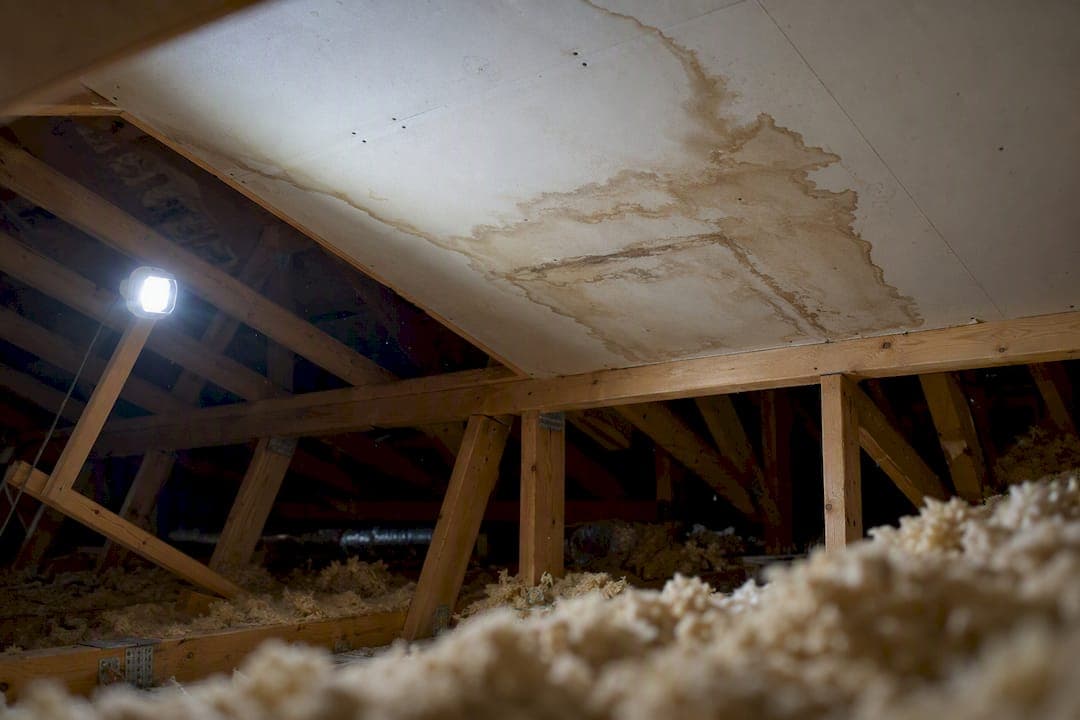
A ceiling water mark almost always signals moisture intrusion, past or present, and the stain itself is never the real problem. If the spot is wet, spongy, or the ceiling is sagging, act immediately: set a bucket underneath, shut off the water supply if plumbing is a suspect, move electronics and furniture out of the way, and skip the ceiling light switch if the fixture looks damp. If the mark is dry, dark-edged, and hasn't changed in weeks, you have more room to investigate calmly before touching anything cosmetic.
Either way, before you do anything else:
- Photograph the stain and trace its outline in pencil so you can track growth.
- Note the date, any recent rain, and whether a nearby fixture was in use.
- Hold off on painting or patching until you know where the water came from.
Key Takeaways
Ceiling water marks always signal a moisture source that must be found and stopped before any cosmetic repair will hold.
| Point | Details |
|---|---|
| Act on wetness, not appearance | A wet or sagging stain is urgent; a dry, stable stain allows time to investigate first. |
| Timing and color diagnose the source | Rain-linked, tea-colored stains point to roofs; use-linked, clear water points to plumbing. |
| Water travels before it drips | Attic water can move several feet along rafters, so inspect uphill from the visible stain. |
| Dry completely before painting | Confirm dryness with a moisture meter and use a stain-blocking primer, never standard paint. |
| Mold risk starts fast | Growth can begin within 24 to 48 hours in wet conditions, so speed matters more than perfection. |
Table of Contents
- How to Triage a Ceiling Water Mark in Under Five Minutes
- What Usually Causes a Water Stain on the Ceiling?
- How Do You Find Where the Water Is Actually Coming From?
- How Do You Repair a Water-Damaged Ceiling?
- When Should You Call a Professional Instead of DIY-ing It?
- How Can You Prevent Future Ceiling Stains?
- What Roofers Actually See Behind Most Ceiling Stains
- Why Most Advice on Ceiling Stains Gets the Order Wrong
- Sources
- FAQ
How to Triage a Ceiling Water Mark in Under Five Minutes
Start with touch. A wet sheen, cool damp spot, or soft bubbled paint means active moisture right now. A dry, chalky, or crusted stain suggests the leak has already stopped, at least for the moment.
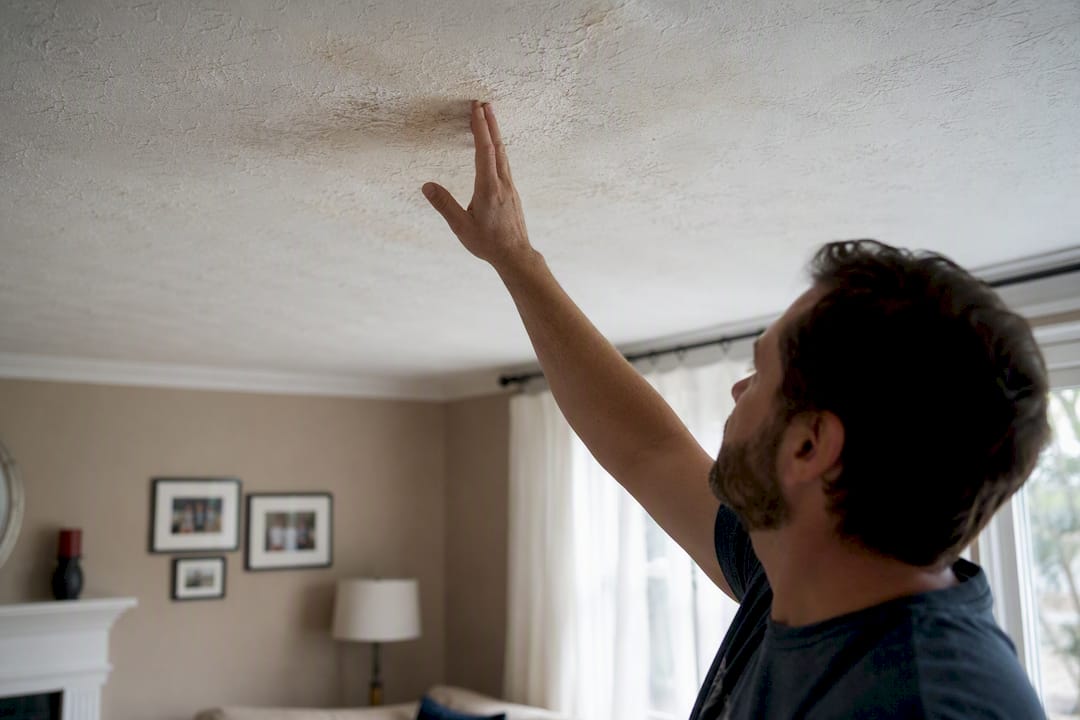
Color tells you a lot, too. Clear water usually points to plumbing. A tea-brown or amber ring often means roof water picking up wood tannins on its way down. Suds, a musty smell, or hair in the water points to a drain line problem. Timing and water color are two of the most reliable clues for figuring out whether you're dealing with a roof issue or a pipe issue.
Run through this quick sequence:
- Touch the stain (with a dry hand, away from any light fixture) to check for moisture.
- Look for bubbling, sagging, or flaking paint.
- Note when it appeared, during rain, after a shower, or while the AC was running.
- Place a bucket or towel if it's actively dripping, and cut power to any nearby fixture if there's visible water.
Pro Tip: Never touch a ceiling light fixture or switch near a wet stain until the power to that circuit is off. Water and live wiring are a serious shock and fire hazard, even from a small drip.
What Usually Causes a Water Stain on the Ceiling?
Four culprits account for most ceiling stains, and each leaves its own fingerprint.
Roof leaks. These show up during or right after rain, and they tend to produce that amber, tannin-tinted stain. The usual entry points are cracked flashing around chimneys and vents, missing or lifted shingles, and failed vent boots where pipes penetrate the roof deck.
Plumbing. A steady stain that doesn't care about the weather, or one that grows every time someone showers or flushes, points to a supply line, drain seal, or tub surround. Check the bathroom directly above the stain first.
HVAC and condensation. If the mark grows worse during heavy AC use in summer, suspect a clogged condensate line or uninsulated ductwork sweating in the attic. Poor attic ventilation and condensation are common, overlooked causes that homeowners often mistake for a roof leak.
Appliances and gutters. An overflowing gutter can push water back under the roof edge and into the ceiling below. Washing machines, water heaters, and dishwashers on an upper floor can also leak slowly for weeks before a stain becomes visible below.
Knowing which category fits your situation determines who you call. A dormer roof leak, for example, often produces a stain that seems to come from nowhere near an obvious roof feature, which is exactly why the next step matters.
How Do You Find Where the Water Is Actually Coming From?
Water rarely drips straight down from its entry point. It can travel ten feet or more along rafters and framing before finding a gap and dripping through the drywall, which means the stain on your ceiling is often nowhere near the actual hole.
Work through this checklist before you assume anything:
- Log the timing. For 24 to 48 hours, note exactly when the stain gets wetter, during rain, after a shower, or when the AC cycles on.
- Read the water. Clear and odorless leans plumbing; brown or tea-colored leans roof; soapy or foul-smelling leans drain.
- Inspect the attic. Pull back insulation near the stain and look uphill from it, not directly above it. Use a flashlight held at a low angle across the underside of the roof deck; water tracks and stains on rafters catch shadow far better under raking light than a straight-on beam.
- Test the suspect fixture. Run the shower, flush repeatedly, or fill the tub while someone watches the ceiling below. For drain suspicions, a few drops of red food coloring in the water can confirm the leak's source within minutes.
- Bring in tools if DIY checks stall. A moisture meter reads dampness inside drywall and framing that your hand can't detect, and thermal imaging can reveal cold, wet spots hidden behind paint. These tools help locate hidden water tracks when a visual inspection alone doesn't turn up an answer.
Pro Tip: Mark the stain's outer edge in pencil the first time you see it, then check it again after the next rain or fixture use. If the pencil line is now inside a bigger wet patch, the leak is active and worsening, not old and dried.
Water that has traveled well outside a wall line sometimes has nothing to do with the roof or plumbing at all. If the stain sits near an exterior wall, leaks around window flashing can mimic a roof or ceiling leak and are worth ruling out before you assume the roof is at fault.
How Do You Repair a Water-Damaged Ceiling?
Fixing the ceiling before fixing the leak is the single most common mistake homeowners make, and it guarantees the stain comes back. Stopping the moisture source always comes before any cosmetic repair, no exceptions.
Once the source is confirmed and stopped, the sequence is:
- Dry it out completely. Run fans and a dehumidifier, or let it air-dry for several days depending on humidity, and confirm with a moisture meter before you patch anything.
- Assess the drywall. Soft, sagging, or crumbling material needs to be cut out and replaced. A small, firm, dry stain can often be spot-primed and repainted without removing drywall.
- Check for mold. Small surface mold on a hard surface can sometimes be cleaned with a diluted bleach solution, but widespread growth or contact with contaminated water calls for a restoration professional, not a spray bottle.
- Prime before painting. Use a stain-blocking primer, shellac or oil-based, not a standard latex primer, or the stain will bleed straight through your new paint within weeks.
Mold isn't a distant risk here. Growth can begin within 24 to 48 hours once material stays wet, which is why drying time matters more than most people assume. A ceiling that feels "dry enough" after an afternoon of fans may still be damp inside the drywall core.
If drying and cleanup feel beyond a weekend project, a 24/7 water restoration provider can handle structural drying and mold remediation properly, especially after a larger leak or standing water event.
When Should You Call a Professional Instead of DIY-ing It?
Some signs mean stop investigating and start dialing. Call immediately if you see any of the following:
- A steady, pressurized drip rather than an occasional drop.
- Visible sagging, bulging, or soft spots in the drywall.
- A musty, persistent odor or visible mold growth.
- Water that's discolored, cloudy, or smells like sewage.
- The same stain reappearing after a "fix" that didn't address the real source.
Wet, growing, or sagging stains are red flags for active, serious water damage that call for professional attention rather than a wait-and-see approach.
Who you call depends on what your triage turned up. Rain-correlated stains and roof-related clues call for a roofer. Use-correlated, clear-water stains point to a licensed plumber who can pressure-test lines and camera-inspect drains. Large wet areas or confirmed mold need a restoration specialist with commercial-grade drying equipment.
A qualified pro brings tools you likely don't own, moisture meters, thermal cameras, and attic-specific roofing checks, and the photos and marked stain outline you already collected will speed up both the diagnosis and any insurance claim. Reviewing when a roofing professional is genuinely necessary can help you decide before the damage grows.
How Can You Prevent Future Ceiling Stains?
A short seasonal routine catches most of the problems that eventually show up as ceiling stains.
- Inspect the roof and flashing twice a year and after any significant storm.
- Keep gutters and downspouts clear so water doesn't back up under roof edges.
- Flush HVAC condensate lines and check attic ductwork for sweating or disconnected joints.
- Recheck caulk and seals around tubs, showers, and toilet bases at least once a year.
- Confirm attic insulation and ventilation are adequate to prevent condensation buildup.
Pro Tip: Cracked or missing caulk is one of the cheapest fixes on this list and one of the most overlooked. A five-dollar tube of caulk can prevent a repair bill in the thousands, and understanding where caulk belongs in roof maintenance helps you know what's worth checking each season.
What Roofers Actually See Behind Most Ceiling Stains
Most ceiling stains that trace back to the roof aren't caused by a catastrophic failure. They come from small, specific weak points: cracked flashing around a chimney, a pipe boot that's dried out and split, or a handful of shingles lifted by wind that let water sneak under the layer beneath. These are exactly the repairs a full-replacement roofer tends to skip past, and exactly what The Original Roof Repair Company specializes in fixing for homeowners across Canton, Cherokee County, and the wider Atlanta, Georgia metro area.
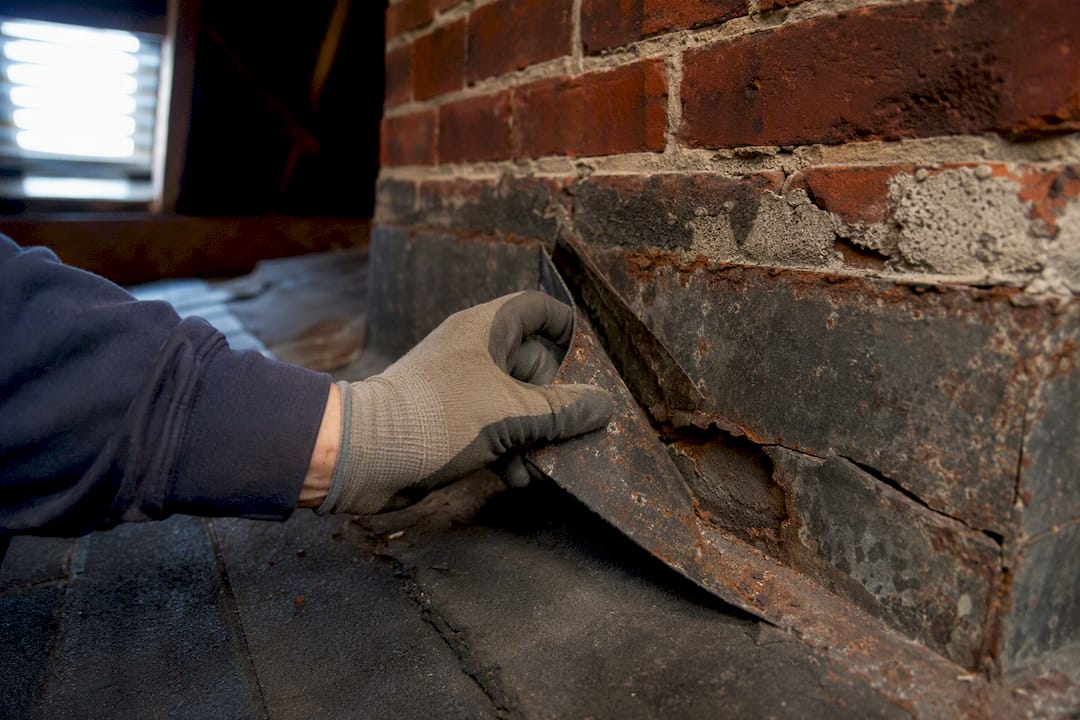
That's the logic behind a repair-first approach: replacement only gets recommended when a repair estimate would exceed $4,000 or the roof's condition makes replacement the smarter long-term choice. Most ceiling stains never reach that threshold.
After any storm with wind or hail, a free inspection is worth scheduling even if the ceiling stain looks minor. If storm damage is confirmed, The Original Roof Repair Company also documents it and works directly with insurance carriers and adjusters on the homeowner's behalf, so the paperwork doesn't fall entirely on you.
Why Most Advice on Ceiling Stains Gets the Order Wrong
Most guides jump straight to painting tips, as if the stain itself were the injury instead of the symptom. That's backwards. A ceiling stain is a bruise, not a wound, and treating the bruise while ignoring what caused it just guarantees a repeat visit in six months.
The bigger blind spot is how often homeowners assume "no active leak visible" means "safe to ignore." Roof failures in particular are sneaky. A cracked pipe boot or a few lifted shingles can leak intermittently for months, only showing up as a stain after a specific wind direction drives rain under the flashing. By the time it's obvious, the decking underneath may already be compromised.
If there's one thing worth prioritizing over everything else in this article, it's the timing log. Two days of paying attention to when a stain gets wetter tells you more than any amount of guessing at causes. Get that data first, then call the right professional. Skipping straight to a bucket of paint is how small, cheap repairs turn into expensive ones.
Sources
- Bob Vila — Water stains on the ceiling: Common causes and solutions
- EngineerSkill — How to find the source of a water leak in your ceiling
- All Clear Plumbing — How to tell if a ceiling leak is roof or pipe
FAQ
What should you do first if you notice a water mark on the ceiling?
Photograph the stain, trace its outline in pencil, and check if it's wet or actively growing. If it's wet or sagging, contain the water and call a professional immediately; if dry, monitor it before making any cosmetic repair.
Is a water stain on a ceiling serious?
It can be. Wet, growing, or sagging stains, or ones with a musty odor, signal active damage that needs prompt attention, while a small, dry, unchanging stain is lower urgency but still worth investigating.
How do you get rid of water marks on a ceiling?
Stop the moisture source first, dry the area fully, replace any soft or sagging drywall, then apply a stain-blocking primer before repainting. Painting over a stain without fixing the source almost always lets it bleed back through.
Why is there a water mark on my ceiling but no active leak?
The leak may be intermittent, tied to specific rain conditions or occasional fixture use, or the water may have already dried after a one-time event. It can also mean the source has traveled several feet along rafters or ductwork before showing up as a stain in that spot.
How long does it take for mold to grow after a ceiling leak?
Mold can begin growing within 24 to 48 hours in wet conditions, so drying the area quickly matters more than getting the cosmetic repair perfect.