
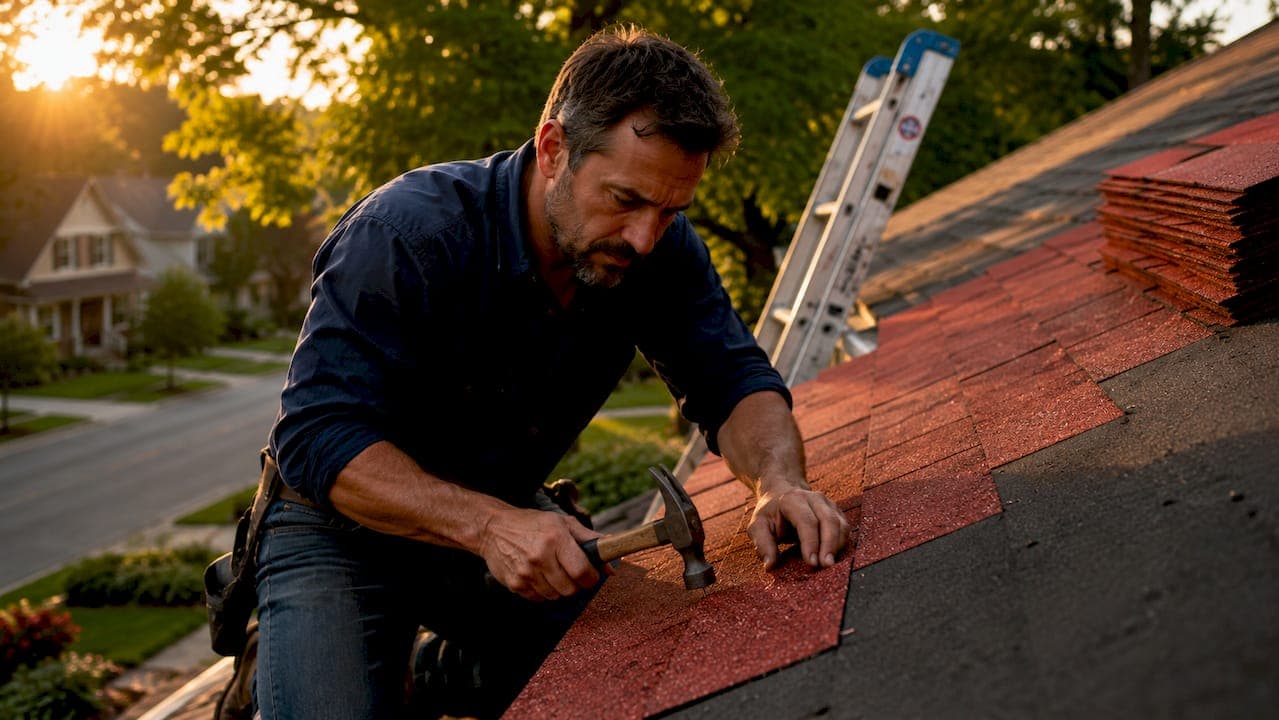
A roof overlay is defined as the installation of new shingles directly over an existing shingle layer without removing the old roof first. This technique, also called "reroofing," saves homeowners money on labor and disposal costs compared to a full tear-off replacement. The process works only under specific conditions. Building codes, roof structure, and the number of existing layers all determine whether your home qualifies. Understanding these factors upfront helps you avoid a costly mistake.
What is roof overlay and how does it work?
A roof overlay places new shingles and waterproofing materials directly on top of the existing roof without tearing off the old layer. The old shingles stay in place, and the new layer bonds over them. This skips the tear-off step entirely, which is one of the most labor-intensive parts of any roofing job.
The installation process follows a straightforward sequence. A roofing crew inspects the existing surface for warping, sagging, or soft spots. They then install new underlayment where needed, nail new shingles over the old layer, and seal all edges and penetrations. The job typically finishes faster than a full replacement because there is no debris removal phase.
Not every roof qualifies for this method. The existing shingles must lie flat and secure. The roof deck beneath must be structurally sound. Warped or deteriorated shingles make overlay unsuitable because the new layer will mirror every bump and gap in the old surface. Nail penetration integrity also matters. If the deck is too thin or damaged, new nails will not hold properly, and the overlay will fail prematurely.
- Existing roof must have only one layer of shingles already in place
- Shingles must lie flat with no significant curling, buckling, or missing sections
- Roof deck must be dry, solid, and free of rot or water damage
- Roof pitch must be sufficient for proper water drainage
- Local building code must permit overlay for your specific roof type
Pro Tip: Before agreeing to an overlay, ask your contractor to probe the roof deck in several spots. A soft or spongy feel underfoot signals hidden rot that an overlay will only cover up, not fix.
Building codes typically limit residential shingle roofs to a maximum of two total layers. That means only one overlay is permitted over an original layer. Once you reach two layers, the next job must be a full tear-off. This limit exists to protect structural integrity and prevent excessive weight loads on the roof framing.
What are the benefits of roof overlay for homeowners?
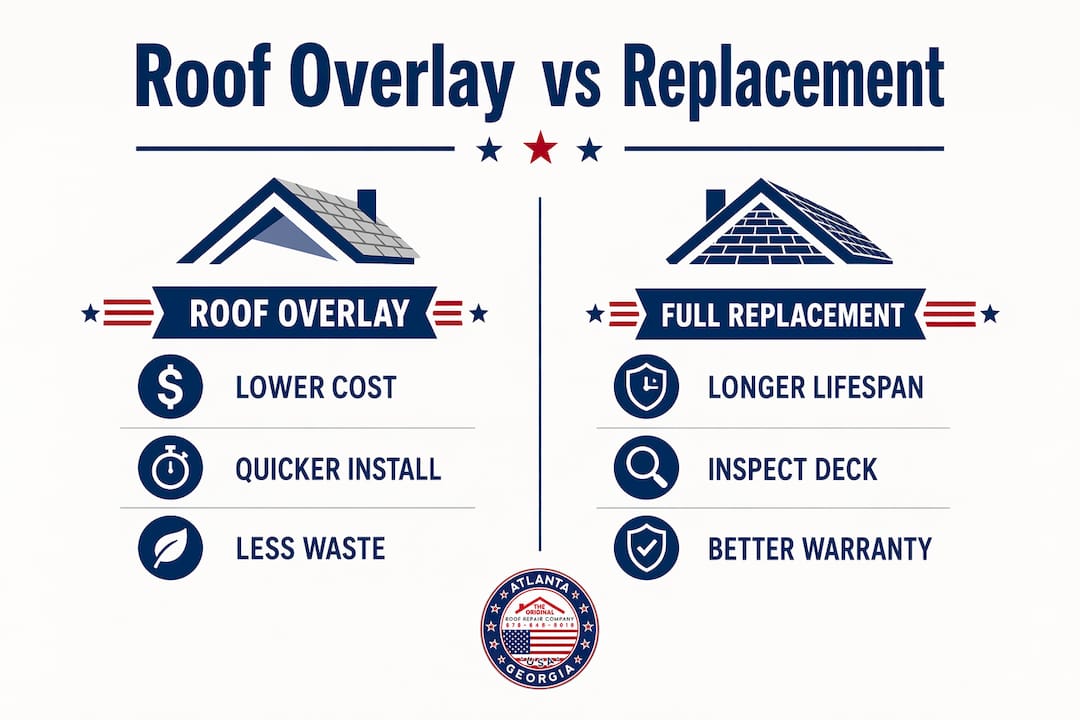
The biggest advantage of a roof overlay is cost. Overlays save homeowners roughly 20%–40% compared to a full roof replacement. That savings comes from two sources: skipping tear-off labor and eliminating disposal fees. Disposal alone can run $1–$4 per square foot, so avoiding it adds up fast on a standard home.
Speed is the second major benefit. A typical overlay job finishes in one day on most residential homes. A full replacement on the same home often takes two days or more. Less time on the job means less disruption to your household and less exposure to weather during the project.
- Lower total project cost due to reduced labor and no disposal fees
- Faster completion time with less disruption to daily life
- Reduced landfill waste, making it a more environmentally responsible option
- Immediate improvement in curb appeal without the full replacement price tag
- Practical solution for budget-constrained homeowners who need a functioning roof now
Overlays also make sense in urgent situations. If a storm damages your roof and a full replacement is not financially possible right now, an overlay on a qualifying roof buys time. It restores weather protection quickly while you plan for a longer-term solution.
Pro Tip: An overlay can refresh the look of an aging roof for a fraction of the cost. If your shingles are faded but structurally sound, a new color or style on top can significantly improve your home's appearance before a sale.
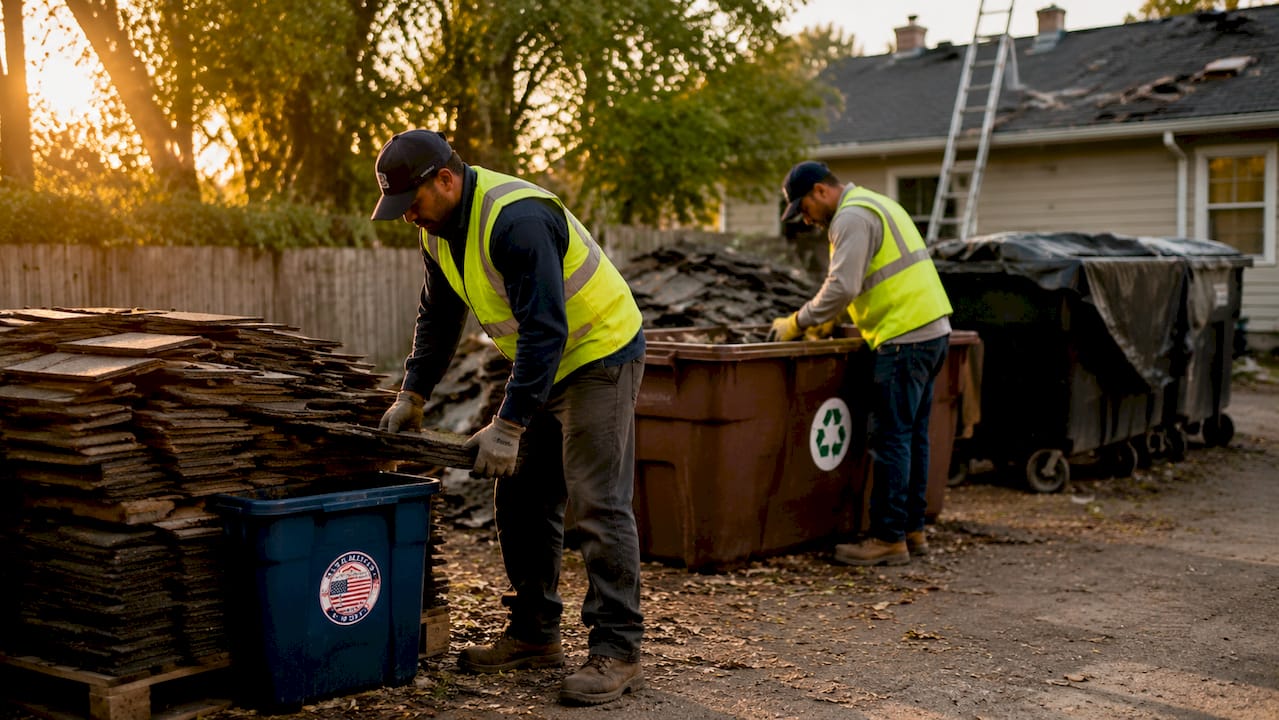
The sustainability angle is real too. Tearing off a roof generates a significant volume of asphalt shingle waste. Overlay avoids that entirely. For homeowners who prioritize reducing construction waste, this is a meaningful consideration.
What are the limitations and code restrictions of roof overlays?
Roof overlays carry real risks that homeowners must understand before committing. The most significant is weight. A typical asphalt shingle layer weighs 2–4 pounds per square foot. Adding a second layer doubles that load on the roof framing. If the structure is already at or near its design limit, the extra weight can cause long-term damage.
The second major risk is concealment. An overlay masks underlying problems like leaks, deteriorated decking, and damaged underlayment. Those issues stay hidden until the next full replacement. Trapped moisture can worsen undetected for years, leading to mold, rot, and far more expensive repairs down the road.
Warranty coverage is another concern. Most shingle manufacturers void or reduce warranties for overlay installations. That means if the new shingles fail prematurely, you may have no recourse with the manufacturer. This is a significant financial risk that many homeowners overlook when comparing upfront costs.
| Criteria | Roof overlay | Full tear-off replacement |
|---|---|---|
| Upfront cost | Lower (saves 20%–40%) | Higher |
| Project timeline | 1 day typical | 2+ days typical |
| Underlying inspection | Not possible | Full deck inspection |
| Manufacturer warranty | Often voided or reduced | Full warranty available |
| Code limit | One overlay maximum | No layer restriction |
| Long-term lifespan | Shorter | Longer |
| Hidden damage risk | High | Low |
IRC 2018 and 2021 code sections prohibit overlays when the existing roof already has two or more layers, shows water damage, or has an unsuitable substrate. These rules exist at the federal model code level, but local jurisdictions may impose stricter limits. Always verify your local code before proceeding.
Pro Tip: Pull your local building permit for the overlay. A permitted job gets inspected, which protects you if problems surface later. Unpermitted overlays can complicate home sales and insurance claims.
Resale value is also worth considering. Some buyers and home inspectors flag double-layer roofs as a near-term replacement liability. If you plan to sell within a few years, a full replacement may produce a better return than an overlay.
Roof overlay vs. replacement: How to decide what is right for your home
The right choice depends on four factors: roof condition, budget, timeline, and long-term goals. An overlay suits a homeowner with a structurally sound single-layer roof, a tight budget, and a short timeline. A full roof replacement suits a homeowner who needs a full inspection, maximum warranty coverage, and the longest possible lifespan from the new roof.
Use this step-by-step process to evaluate your situation:
- Confirm the layer count. Check your permit history or ask a contractor. If two layers already exist, overlay is not an option under most codes.
- Inspect the existing shingles. Look for curling, buckling, missing tabs, or granule loss in the gutters. Significant deterioration disqualifies overlay.
- Check the roof deck. Walk the attic and look for sagging, staining, or soft spots. Any of these signals a tear-off is necessary.
- Get a written assessment. Ask your contractor to document the roof's condition in writing before recommending overlay or replacement.
- Compare total lifecycle costs. An overlay costs less today but may require full replacement sooner. Factor in that second job when comparing prices.
- Verify code and warranty terms. Confirm local code allows overlay and ask the shingle manufacturer whether warranty coverage applies to overlay installations.
Overlays are a short-term affordability solution because you can only do one before the next job must be a full replacement. That reality should factor into every cost comparison. If your roof is 15 years old and you add an overlay, you are likely looking at a full replacement within 10–15 years regardless. A replacement now may cost more upfront but eliminates that second project sooner.
For homeowners dealing with storm or hail damage, the decision sometimes involves insurance. Theoriginalroofrepaircompany handles roof insurance claims directly with carriers and adjusters, which can change the financial picture significantly. A covered replacement may cost less out of pocket than a self-funded overlay.
Key Takeaways
A roof overlay saves 20%–40% upfront but carries code limits, warranty risks, and hidden damage exposure that make full replacement the better long-term choice for most homeowners.
| Point | Details |
|---|---|
| Overlay definition | New shingles installed over existing shingles without removing the old layer. |
| Cost savings | Overlays save roughly 20%–40% compared to full tear-off replacement. |
| Code limit | Most codes allow only one overlay layer before a full tear-off is required. |
| Hidden damage risk | Overlay conceals deck and underlayment problems until the next replacement cycle. |
| Warranty impact | Most shingle manufacturers void or reduce warranty coverage on overlay installations. |
What I've learned after years of roofing in Cherokee County
Homeowners come to me asking about overlays for one reason: they want to save money. That is a completely reasonable goal. But the conversation I have with almost every one of them is the same. The savings are real, but so are the trade-offs, and most people do not hear the full picture before they sign a contract.
The misconception I see most often is that an overlay is just a cheaper version of a replacement. It is not. It is a different product with a shorter lifespan, reduced warranty protection, and zero visibility into what is happening beneath the surface. I have pulled off overlay layers and found rot, mold, and active leaks that had been quietly spreading for years. The homeowner had no idea because the new shingles looked fine from the street.
My honest advice: if your roof is in genuinely good shape, has only one layer, and you need a budget-friendly solution right now, an overlay can be the right call. But get a thorough inspection first. Not a five-minute visual from the driveway. A real inspection that includes the attic, the deck, and the existing shingle condition. If a contractor skips that step and goes straight to recommending an overlay, that is a red flag.
The other thing I tell homeowners is to think about the next job. An overlay is not the last roofing decision you will make on this house. It is the second-to-last. Plan accordingly.
— Eric
Theoriginalroofrepaircompany is ready to assess your roof
Theoriginalroofrepaircompany serves homeowners across Cherokee County and 11 surrounding counties with honest, repair-first roofing assessments. Whether you are weighing an overlay or need a full evaluation, the team provides transparent pricing and a clear recommendation based on your roof's actual condition.
Theoriginalroofrepaircompany specializes in professional roof repair and complete roof replacement services, with no-pressure consultations and written assessments every time. If storm or hail damage is involved, the team also works directly with your insurance carrier to document the claim properly. Contact Theoriginalroofrepaircompany to schedule your inspection and get a straight answer on whether an overlay or replacement is right for your home.
FAQ
What is the roof overlay definition in simple terms?
A roof overlay means installing new shingles directly over an existing shingle layer without tearing off the old roof first. It is also called reroofing.
How many overlay layers does building code allow?
Most building codes, including IRC 2018 and 2021, limit residential roofs to two total shingle layers, meaning only one overlay is permitted over an original layer.
Does a roof overlay void the shingle warranty?
Most shingle manufacturers void or reduce warranty coverage for overlay installations. Confirm warranty terms with your specific manufacturer before choosing overlay over tear-off.
When is a roof overlay a good idea?
An overlay works best when the existing roof has only one shingle layer, the deck is structurally sound, and the homeowner needs a lower-cost, faster solution for a roof in good condition.
Can an overlay hide existing roof damage?
Yes. An overlay covers the existing deck and underlayment without inspecting them, which means leaks, rot, and moisture damage can worsen undetected until the next full replacement.