
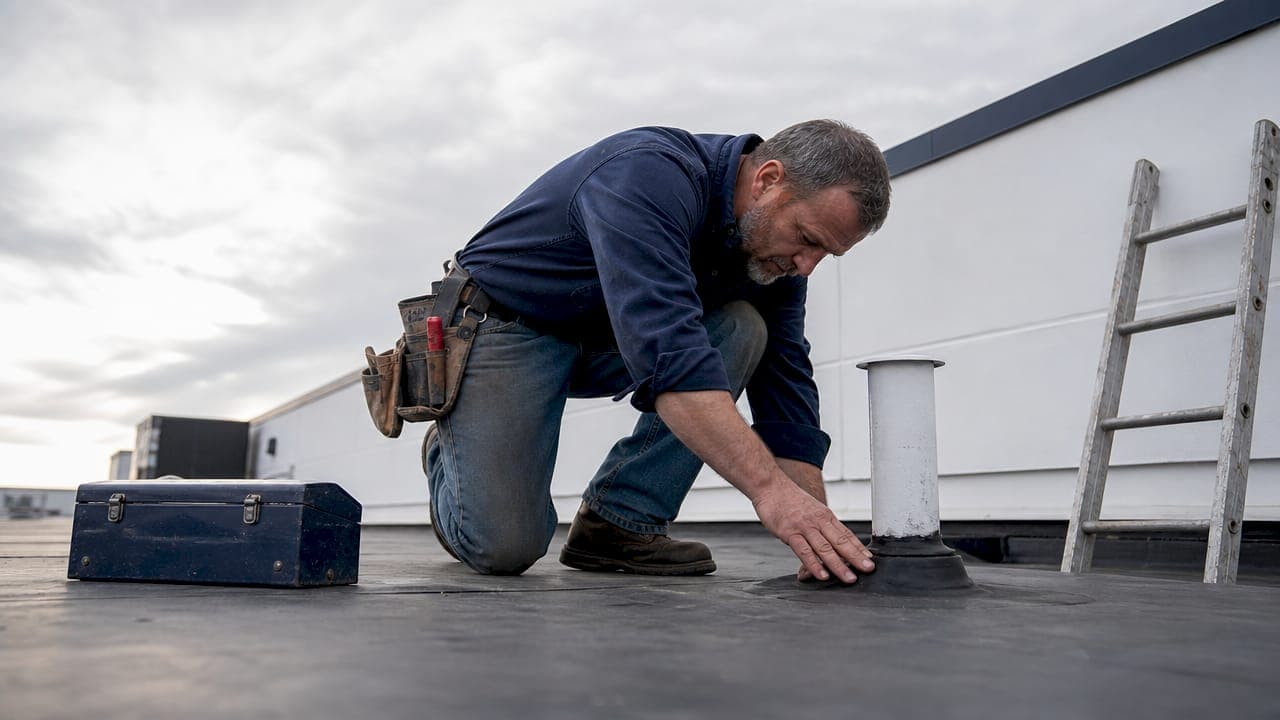
Common roof repair mistakes are the leading cause of recurring leaks, premature roof failure, and voided manufacturer warranties. Flashing failures account for up to 90% of roof leaks in DIY or poorly executed repairs. That single statistic explains why so many homeowners spend money on the same problem twice. Poor attic ventilation, wrong materials, and misread leak sources compound the damage further. Theoriginalroofrepaircompany sees these errors repeatedly across Cherokee County and the surrounding area. Understanding what goes wrong is the first step toward protecting your roof and your budget.
1. What is improper flashing repair and why does it cause most leaks?
Flashing is the metal material that seals joints, valleys, and penetrations on your roof. It protects the gaps around chimneys, skylights, vents, and roof edges where water would otherwise enter. When flashing fails, water gets in. When flashing is repaired incorrectly, water gets in faster.
Improper flashing repairs cause 90% of roof leaks in amateur projects. That number reflects how often homeowners reach for a tube of caulk or roofing cement and call the job done. Those products are not substitutes for properly installed metal flashing. They crack, shrink, and separate as temperatures change.
Temporary fixes like roofing tape or standard sealants fail within 30 to 90 days due to thermal expansion and contraction. UV exposure and temperature swings break down adhesion quickly, especially on flashing edges. A fix that holds through summer may be leaking by the first cold snap.
- Caulk applied over old flashing traps moisture underneath
- Roofing cement cracks when it dries and shrinks
- Tape products lose adhesion within one season
- Improperly overlapped flashing allows water to wick upward
Pro Tip: Inspect flashing at every chimney base, skylight edge, and roof valley after any major storm. If you see rust staining, lifted edges, or dried caulk, call a professional before the next rain.
2. Using the wrong roofing materials for your climate
Material selection is one of the most overlooked roof repair errors. Homeowners often grab whatever is available at a hardware store without checking whether it matches their existing roof type or suits the local climate.
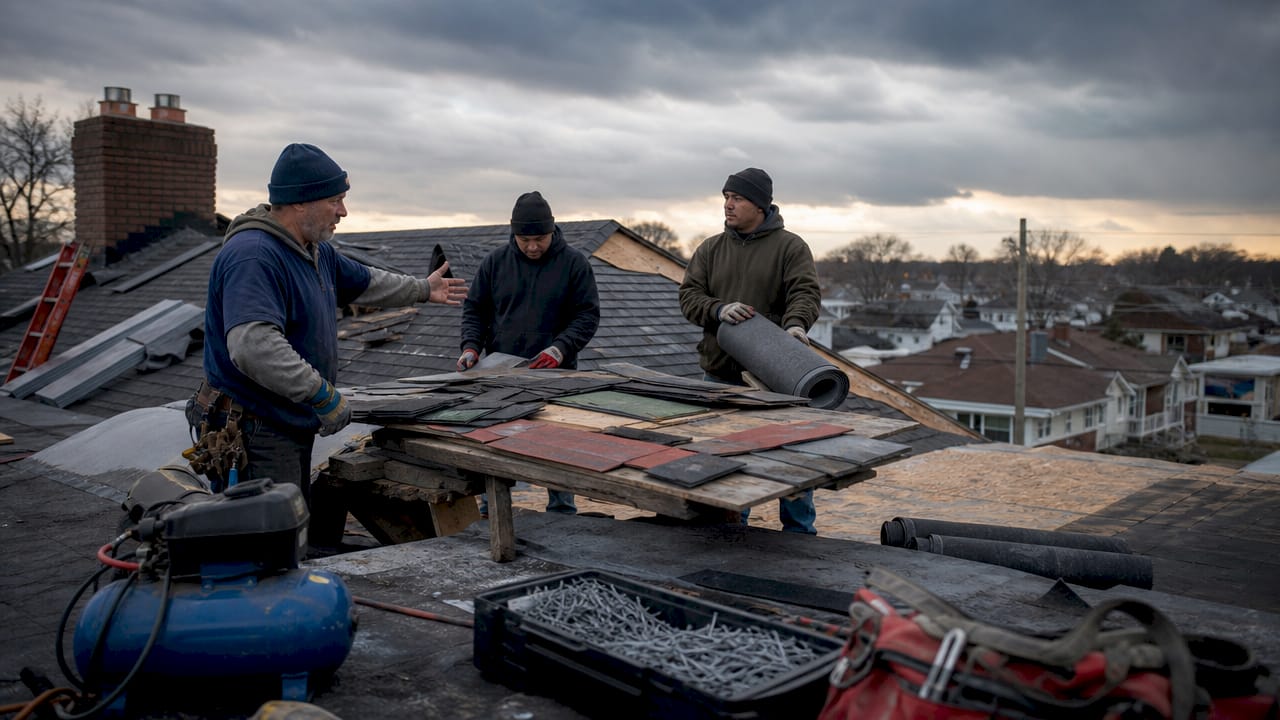
Common wrong material choices include roofing cement applied over shingles, silicone caulk used on metal flashing, and mismatched shingle brands or weights. Each of these creates a weak point. Silicone does not bond reliably to metal under thermal stress. Roofing cement becomes brittle in cold weather.
Climate matters directly. Georgia homeowners deal with high humidity, summer heat, and occasional ice. Materials that perform well in dry climates can fail quickly under those conditions. A product rated for mild weather will degrade faster when exposed to Cherokee County summers.
Manufacturer warranties are also at risk. Incorrect nail placement, either too shallow or through visible shingle areas, voids wind warranties and causes premature shingle failure. Cutting shingles incorrectly to fit around penetrations creates the same problem.
| Material mistake | Likely outcome |
|---|---|
| Silicone caulk on metal flashing | Adhesion failure within one season |
| Mismatched shingle weight | Visible gaps, wind uplift risk |
| Roofing cement over wet surface | Trapped moisture, accelerated rot |
| Wrong nail depth | Voided wind warranty, shingle blow-off |
Always match repair materials to the existing roof type. When in doubt, bring a shingle sample to a professional before purchasing anything.
3. How does ignoring attic ventilation contribute to roof failures?
Attic ventilation is not a roofing surface issue. It is a whole-system issue. Homeowners who repair shingles or flashing without checking ventilation are fixing one problem while a larger one grows underneath.
Poor attic ventilation leads to moisture buildup that degrades materials from the inside out, causing energy loss and premature rot. That moisture does not show up as a visible leak right away. It shows up as warped decking, mold in the attic, and shingles that fail years ahead of schedule.
Attic ventilation is critical to preventing moisture damage invisible from the roof surface. Many repairs fail because the ventilation issue is never addressed. The surface looks fine. The structure underneath is deteriorating.
- Check soffit vents for blockage from insulation or debris
- Confirm ridge vents are unobstructed along the full roof peak
- Look for dark staining or condensation on attic rafters
- Measure temperature difference between attic and outside air in summer
Pro Tip: Before scheduling any roof repair, spend five minutes in your attic with a flashlight. Wet insulation, dark staining on wood, or a musty smell all point to ventilation problems that need fixing alongside any surface repair.
4. What are the most common DIY roofing errors?
DIY roof repair errors fall into two categories: physical damage caused during the repair attempt, and incomplete fixes that leave the real problem untouched. Both cost more to correct than the original issue would have.
DIY roof repairs often fail because problems remain invisible. A patch can trap water, causing wood rot before any new leak appears inside the home. The homeowner believes the repair worked. The deck is quietly rotting.
DIY roofers wrongly assume roofing behaves like other home components. Roofing is a system. Fixing one visible part without understanding how water moves through the whole system leads to trapped moisture and worsening rot over time.
- Walking on hot shingles in summer softens the asphalt and causes granule loss
- Pressure washing a roof strips protective granules and voids warranties
- Applying patches over wet or dirty surfaces prevents proper adhesion
- Nailing through visible shingle faces instead of the nailing strip voids wind coverage
- Ignoring the drip edge when replacing shingles allows water to wick behind fascia boards
Roofing safety requires proper harnesses, footwear, and equipment. Most homeowners lack these, increasing accident risk even on single-story homes. A fall from a one-story roofline causes serious injury.
Pro Tip: Use binoculars from the ground to inspect your roof after a storm. Ground-level inspection with good photos is safer and often more accurate than climbing up and causing new damage in the process.
5. Treating leak symptoms instead of the actual source
Treating leak symptoms instead of causes is the costliest mistake homeowners make. Leaks often originate far from the visible water stain on your ceiling. Without professional diagnostics, repairs recur and costs rise with each attempt.
Many roof leaks originate far from visible stains due to water traveling along rafters or insulation. Patching the visible drip point often misses the source entirely and allows the real entry point to keep letting water in.
A water stain in the center of a bedroom ceiling might trace back to a failed boot seal around a plumbing vent on the opposite side of the roof. Applying a patch directly above the stain fixes nothing. It just adds cost.
Fixing the leak symptom instead of underlying causes leads to recurring leaks and much higher total repair costs. A professional diagnosis identifies the actual water entry point before any repair work begins.
6. Neglecting pipe boots and penetration seals
Pipe boots are the rubber or metal collars that seal plumbing vents where they exit the roof. They are one of the most frequently overlooked components in roof maintenance, and one of the most common sources of leaks.
Critical flat roof components like pipe boots and penetration seals have lifespans of only 8 to 12 years regardless of professional installation. That means a roof installed in 2013 likely has boots that need replacement now, even if the shingles look fine.
Rubber boots crack and shrink as they age. The seal around the pipe separates, and water runs straight down the vent pipe into the attic. Homeowners often blame the shingles when the boot is the actual failure point.
Check every pipe boot during your annual inspection. Look for cracked rubber, gaps between the boot and the pipe, and rust staining on the metal base. Replacement is a straightforward repair when caught early. Left alone, it causes deck rot and interior water damage.
7. Ignoring ponding water on flat or low-slope roofs
Ponding water is water that stands on a flat or low-slope roof for longer than 48 hours after rain. It is not a cosmetic issue. It is a structural warning sign.
Ponding water indicates drainage problems needing immediate repair to avoid structural damage. Standing water adds weight, accelerates membrane deterioration, and creates the conditions for algae growth that further breaks down roofing materials.
Flat roof common problem types almost always include drainage failures. Clogged drains, sagging decking, and improperly sloped surfaces all cause ponding. Each of those problems has a different fix. Treating them as one issue leads to incomplete repairs.
If you see standing water on a flat roof more than two days after rain, the drainage system needs professional evaluation. Do not wait for an interior leak to confirm the problem. By then, the structural damage is already underway.
8. Skipping regular inspections and maintenance
Skipping annual roof inspections is the maintenance blunder that turns a $300 repair into a $3,000 one. Minor damage from wind, hail, or UV exposure compounds quietly between inspections.
Blocked gutters are a direct contributor to roof damage. Water that cannot drain off the roof backs up under shingles and into the fascia. Ice dams form in winter when gutters are clogged and heat escapes through a poorly ventilated attic. Both scenarios cause damage that a simple gutter cleaning would have prevented.
Ignoring signs of underlying deck damage is equally costly. Soft spots when walking on the roof, sagging between rafters visible from the attic, and dark staining on sheathing all indicate deck problems. Surface repairs applied over compromised decking fail quickly and may need to be redone after the deck is replaced.
Schedule a professional inspection at least once a year, and after any major storm. Theoriginalroofrepaircompany offers transparent, no-pressure inspections that identify real problems without recommending unnecessary work. Catching damage early keeps repair costs manageable and protects the full roof system.
Key takeaways
Avoiding common roof repair mistakes requires addressing the actual source of damage, not just the visible symptom, using correct materials, and maintaining the full roofing system including ventilation and drainage.
| Point | Details |
|---|---|
| Flashing is the top failure point | Up to 90% of leaks trace back to improper flashing repair or temporary sealants. |
| Match materials to your climate | Wrong products fail faster and void manufacturer warranties. |
| Ventilation protects from the inside | Poor attic airflow causes hidden rot that surface repairs cannot fix. |
| Diagnose before you repair | Leaks travel along rafters; patching the visible stain often misses the real source. |
| Inspect pipe boots every 8–12 years | Boots fail on a predictable schedule regardless of overall roof condition. |
What I've learned from years of repair-first roofing
The mistake I see most often is not the flashing error or the wrong caulk. It is the homeowner who waited. They noticed a small stain on the ceiling in January, figured it was minor, and called us in april when the drywall was soaked and the deck was soft. That three-month delay turned a $400 repair into a conversation about roof replacement.
The second thing I see constantly is misplaced confidence in temporary fixes. Roofing tape and caulk feel like solutions because they stop the drip immediately. They do not. They redirect water to a new path and buy you 30 to 90 days before the problem returns, usually worse.
What actually works is straightforward. Get a professional to identify the real entry point. Use materials rated for your climate and matched to your existing roof. Fix the ventilation at the same time you fix the surface. And inspect the pipe boots on a schedule, not just when something leaks.
Homeowners who follow those four steps spend less on roofing over the life of their home. That is not an opinion. It is what the repair history shows, job after job.
— Eric
Roof repairs done right the first time
When a roof repair goes wrong, the second repair costs more than the first one should have. Theoriginalroofrepaircompany specializes in finding the real source of the problem before any work begins.

From flashing repair and boot replacement to full system inspections, every job comes with transparent pricing and honest recommendations. Theoriginalroofrepaircompany serves Cherokee County and 11 surrounding counties, taking on the repairs that larger contractors turn down. If you have an active leak or storm damage that cannot wait, emergency roof repair is available for urgent situations. No pressure, no upselling. Just the repair your roof actually needs.
FAQ
What causes most roof leaks in DIY repairs?
Improper flashing repair causes up to 90% of roof leaks in DIY or poorly executed projects. Temporary sealants and caulk fail within 30 to 90 days under thermal stress and UV exposure.
How do I find where a roof leak is actually coming from?
Water travels along rafters and insulation before dripping, so the visible stain is rarely directly below the entry point. A professional inspection traces the water path back to the actual source.
How long do pipe boots last on a roof?
Pipe boots and penetration seals have a lifespan of 8 to 12 years regardless of installation quality. Roofs older than a decade should have all boots inspected and replaced as needed.
What is ponding water and why does it matter?
Ponding water is water that stands on a flat or low-slope roof for more than 48 hours after rain. It signals a drainage failure and causes premature membrane breakdown and structural damage if left unaddressed.
Is it safe to walk on my roof to inspect it?
Walking on a roof without proper harnesses, footwear, and equipment increases accident risk and can cause hidden shingle damage. Ground-level inspection with binoculars and photos is safer and often just as effective for identifying visible problems.